Choosing the Right Dog Muzzle: Basket vs. Fabric & Safety
Understanding how to select the appropriate bozal para perro isn't merely a recommendation; it's a fundamental obligation for every responsible dog owner. The market offers a wide array of muzzle types, but it's critical to recognize that not all are suitable for every dog or every situation. An incorrect choice doesn't just jeopardize the safety of other animals or people; it can also pose serious health risks to your own canine companion. Some muzzles, for instance, severely restrict a dog's ability to pant or drink, which are vital physiological functions. This comprehensive guide will explore the most common muzzle types, detailing their pros and cons, with a focus on ensuring both safety and your dog's well-being.
Why Choosing the Right Bozal Para Perro is Crucial for Health and Safety
The decision to muzzle your dog, whether for legal compliance, behavioral management, or veterinary visits, comes with a significant responsibility: ensuring their comfort and health are never compromised. Dogs, unlike humans, cannot sweat through their skin. Their primary mechanism for regulating body temperature is panting, which involves rapid, shallow breathing to evaporate water from their tongue and respiratory tract. A muzzle that prevents a dog from opening their mouth sufficiently to pant can quickly lead to overheating, especially in warm weather or during exercise, turning a necessary safety measure into a life-threatening situation.
Beyond thermoregulation, the ability to drink water is non-negotiable for any animal. A muzzle that restricts a dog from accessing water can lead to dehydration, particularly during extended wear or activities. Furthermore, poorly designed or ill-fitting muzzles can cause chafing, irritation, and even painful sores on the sensitive skin of a dog's snout. This discomfort can lead to negative associations with the muzzle, making future use even more challenging and stressful for your dog.
From a safety perspective, the right muzzle should effectively prevent bites without causing undue distress. For instance, in many regions, certain breeds categorized as "potentially dangerous dogs" are legally required to wear a bozal para perro in public spaces. Similarly, public transport regulations often mandate muzzles for dogs of all breeds. For dogs with reactivity, a muzzle provides a crucial safety net, allowing owners to manage situations more calmly and safely while working on training. Thus, selecting a muzzle that is both effective in its purpose and humane in its design is paramount.
Understanding Different Muzzle Types
When you begin your search for a bozal para perro, you'll encounter a few primary categories. While some are designed for temporary restraint, others are built for longer-term wear, emphasizing comfort and functionality. Let's delve into the specifics of the most prevalent types to help you make an informed decision.
The Dangers of Fabric Muzzles (A.K.A. Sleeve or Grooming Muzzles)
Fabric muzzles, often made from nylon, are sleek, lightweight, and can appear aesthetically appealing. However, despite their attractive appearance, they are generally the least recommended option for most canine companions. If you observe them closely, you'll notice they offer very little slack, making it difficult, if not impossible, for a dog to open their mouth wide enough to pant or even extend their tongue. As previously discussed, panting is a dog's primary method for cooling down, and restricting this vital function can quickly lead to dangerous overheating, especially in warmer climates or during physical activity.
The inability to open their mouth also prevents dogs from drinking water, which is a serious concern if the muzzle is worn for any significant period. Imagine being unable to quench your thirst on a hot day – it's an uncomfortable, potentially dangerous situation for your dog. Furthermore, the constant friction of fabric against the dog's snout, one of their most sensitive body parts, can lead to painful irritations, chafing, and even open sores. This discomfort not only causes physical pain but can also create a strong negative association with the muzzle, making it much harder to use in the future without causing significant stress and anxiety for your pet.
While fabric muzzles have limited utility, such as for very short-term restraint during a quick nail trim at the groomer's or a brief examination at the vet, they are unequivocally unsuitable for daily use, walks, or any situation where the dog needs to pant, drink, or be comfortable for more than a few minutes. Under no circumstances should they be considered a safe or humane option for prolonged wear or active use, as they do not facilitate proper canine welfare.
The Superiority of Basket Muzzles (Bozal de Cesta)
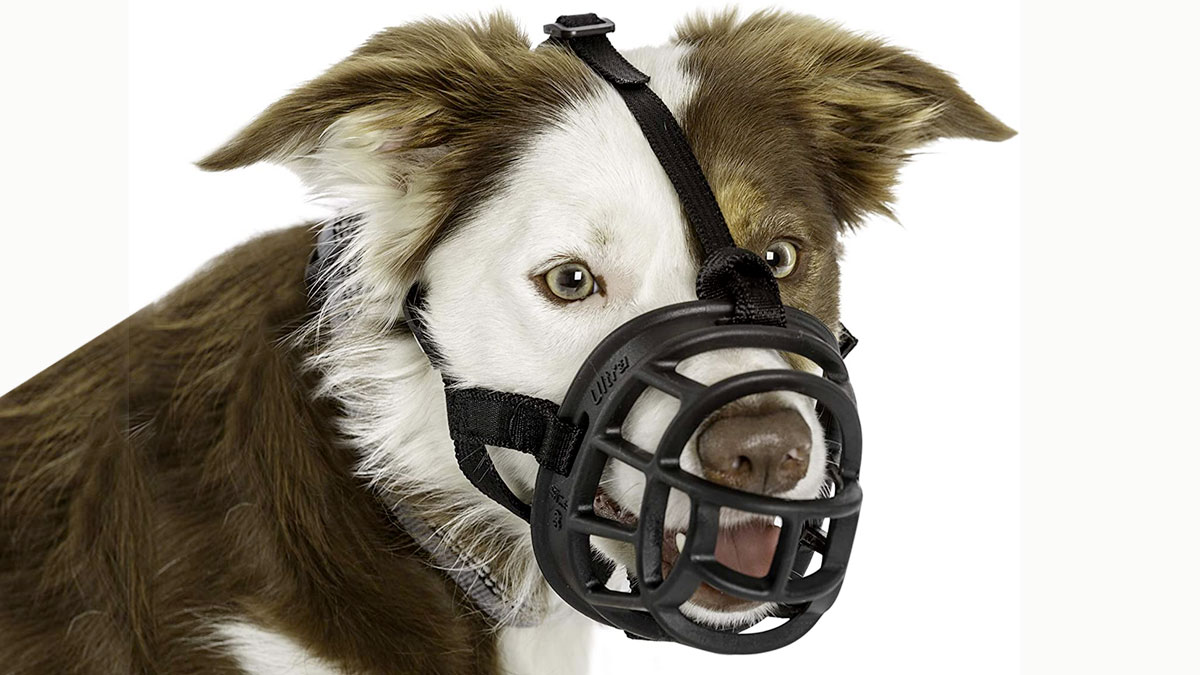
The basket muzzle, also known as a grid muzzle or bozal de cesta, has long been a staple in canine care and remains the most widely recommended and utilized type, and for good reason. Its design philosophy prioritizes both safety and the dog's physiological needs. The hallmark of a basket muzzle is its ability to fully enclose the dog's snout while providing ample space within for the dog to open their mouth, pant freely, and drink water without restriction.
This allows for crucial thermoregulation through panting, preventing dangerous overheating. It also ensures your dog can stay hydrated, a vital aspect often overlooked with other muzzle types. Furthermore, many basket muzzles are designed to allow owners to offer treats through the grid, making it an invaluable tool for positive reinforcement during training and helping your dog develop a positive association with wearing it.
Basket muzzles come in various materials, including durable wire, lightweight plastic, and flexible rubber, each offering unique benefits. Wire muzzles provide excellent durability and airflow, plastic options are often lighter and more affordable, while rubber muzzles offer flexibility and a softer feel. Regardless of the material, the key is finding the correct size for your dog. A well-fitted basket muzzle should allow enough space for your dog to pant and drink, with approximately 1-2 finger widths of space below the chin and at the end of the snout to prevent chafing and discomfort.
When correctly fitted, a basket muzzle is not only a highly effective tool for bite prevention but also a humane choice that supports your dog's overall well-being, making it suitable for prolonged wear during walks, training sessions, or when legal requirements dictate.
Basket Muzzles for Brachycephalic Breeds
Not all snouts are created equal, and this is especially true for brachycephalic breeds – those distinctive dogs characterized by their short, flat faces. Breeds like Boxers, French Bulldogs, Boston Terriers, Pugs, and Shih Tzus have unique anatomical structures that make standard basket muzzles ill-fitting and often ineffective. A conventional basket muzzle would be too long for their short snouts, making it easy for them to remove or causing it to interfere with their vision and breathing.
Recognizing this specific need, manufacturers have developed specialized basket muzzles specifically designed for brachycephalic dogs. These muzzles feature a shorter length in the snout area and a broader, shallower cup to accommodate their unique facial structure. Given that brachycephalic breeds are already prone to breathing difficulties due to their compacted airways, selecting a muzzle that absolutely does not impede their ability to pant is not just recommended, but essential for their health and safety. You can delve deeper into this topic with our Brachycephalic Dogs & Muzzles: Essential Guide for Short Snouts.
Other Muzzle-Related Accessories: Head Halters
While discussing muzzle types, it's worth briefly clarifying another accessory that sometimes gets mistaken for a muzzle: the head halter or "anti-pull" collar. Tools like the Halti or Gentle Leader are designed to provide better control during walks by guiding the dog's head, which in turn directs their body. They can be incredibly effective for training dogs that pull on the leash, as they apply gentle pressure to the nose and behind the ears, mimicking a mother dog's guiding bite.
However, it is crucial to understand that head halters are not true muzzles in terms of bite prevention. While they might restrict a dog's ability to open their mouth widely for a moment, they are not designed to reliably prevent bites. They are primarily training tools for leash manners, not safety devices for aggression management. Therefore, they should never be used as a substitute for a proper basket muzzle when bite prevention is the primary concern.
Acclimating Your Dog to Their Bozal Para Perro: Tips for Success
Even the best bozal para perro is only effective if your dog accepts it comfortably. Forcing a muzzle on a dog can lead to extreme stress, fear, and even aggression, creating a negative association that is difficult to overcome. Positive acclimatization is key to ensuring your dog views their muzzle as a neutral or even positive part of their routine, rather than a punishment. This process requires patience, consistency, and plenty of positive reinforcement.
- Start Slowly and Positively: Introduce the muzzle gradually. Let your dog sniff it, then place a high-value treat inside the muzzle so they have to put their nose in to get it. Repeat this several times a day for a few days, making it a game.
- Short Durations: Once your dog is comfortable putting their nose into the muzzle for treats, try fastening the straps for just a few seconds, immediately followed by praise and a jackpot of treats. Remove the muzzle before any signs of distress.
- Gradual Increase: Slowly increase the duration the muzzle is worn. Distract your dog with their favorite toys, a short walk, or a training session while the muzzle is on. The goal is for them to forget they're even wearing it.
- Positive Associations: Only put the muzzle on when something good is about to happen, like going for a walk, getting a special toy, or receiving treats. Never use the muzzle as punishment.
- Proper Fit is Key: Ensure the muzzle fits correctly. A poorly fitting muzzle will always be uncomfortable and can rub or obstruct your dog's vision, making acceptance impossible.
If you encounter difficulties or your dog shows significant resistance, consider seeking guidance from a professional dog trainer or behaviorist. They can provide tailored advice and strategies to help your dog feel comfortable and confident in their muzzle. For a deeper dive into muzzle training and why muzzles are obligatory in certain contexts, explore our article on Dog Muzzles Explained: Types, Comfort, & When It's Obligatory.
Conclusion
Choosing the right bozal para perro is a critical decision that impacts your dog's safety, health, and comfort. While fabric muzzles may seem convenient, their severe limitations on panting and drinking make them unsuitable for anything beyond very brief, supervised use. The basket muzzle, conversely, stands out as the superior choice, offering a humane balance of bite prevention and physiological freedom, allowing your dog to pant, drink, and even accept treats comfortably. Remember the unique needs of brachycephalic breeds, who require specialized basket muzzles. Ultimately, responsible pet ownership demands an informed choice, careful fitting, and positive acclimatization to ensure that wearing a muzzle is a safe and stress-free experience for your beloved canine companion.