Understanding the Bozal Para Perro: A Tool for Safety and Responsibility
For many dog owners, the sight of a dog muzzle, or bozal para perro, might conjure images of aggression or punishment. However, this essential accessory is, in reality, a vital tool for responsible pet ownership, designed to ensure the safety of your canine companion, other animals, and people. Far from being a negative indicator, knowing when and how to use a dog muzzle correctly demonstrates a proactive approach to your dog's well-being and public safety.
Choosing the right muzzle isn't just a recommendation; it's a critical obligation. An ill-fitting or inappropriate bozal para perro can not only fail to provide adequate safety but also cause significant discomfort, stress, and even harm to your dog. It's crucial to understand the different types available, their intended uses, and most importantly, how to ensure your dog's comfort and positive association with this important piece of equipment. Let's delve into the world of dog muzzles, exploring their types, comfort considerations, and when their use becomes mandatory.
Why a Bozal Para Perro is More Than Just a Safety Measure
The decision to use a bozal para perro often stems from a variety of practical and legal necessities. While it certainly serves as a crucial safety measure, its utility extends far beyond merely preventing bites.
- Legal Compliance: In many regions, specific breeds or types of dogs are classified as "Potentially Dangerous Dogs" (PPP - Perros Potencialmente Peligrosos, in Spanish legislation). Owners of these breeds are legally obligated to ensure their dogs wear a muzzle in public spaces. These regulations are often detailed in official gazettes, much like the BOE in Spain, and can vary significantly by municipality or country. Understanding and adhering to these laws is non-negotiable for responsible pet owners.
- Preventing Scavenging (Pica): Some dogs have a strong inclination to eat anything they find on the ground, which can lead to severe health issues from ingesting toxic substances, foreign objects, or contaminated food. A muzzle can be an invaluable tool to prevent this dangerous habit, allowing your dog to still enjoy walks without the risk of accidental poisoning.
- Veterinary Visits and Grooming: Even the calmest dog can become anxious or reactive when undergoing stressful procedures, such as vaccinations, nail trims, or other examinations at the vet or groomer. A muzzle provides an extra layer of safety for both the professional and the dog, allowing necessary treatments to be performed without the risk of a panicked bite.
- Managing Reactivity or Aggression: For dogs undergoing training for reactivity or aggression, a muzzle can provide a vital safety net. It allows the owner to work on desensitization and counter-conditioning in public environments, offering peace of mind that no one will be harmed during the training process. It's important to remember that a muzzle is a management tool, not a cure for behavioral issues; professional training and veterinary consultation are always recommended.
- Public Transport Requirements: Many public transportation systems (buses, trains, subways) require dogs, especially larger breeds, to wear a muzzle as a condition of travel. This policy aims to ensure the comfort and safety of all passengers.
Decoding Dog Muzzle Types: Comfort vs. Restriction
The market offers a range of dog muzzles, each designed for different purposes and with varying levels of comfort. Understanding these distinctions is paramount for choosing the right bozal para perro.
The Controversial Fabric or Nylon Muzzle
Fabric or nylon muzzles, often seen as sleek and less obtrusive, are frequently chosen for their aesthetic appeal. However, as noted in expert guidance, these models are generally *not recommended* for anything other than very temporary, supervised use (e.g., a quick nail trim). The primary reason for this strong cautionary stance lies in their design:
- Severe Restriction of Panting: Dogs regulate their body temperature primarily through panting, as they don't sweat like humans. Fabric muzzles tightly cinch the dog's mouth shut, severely limiting their ability to open their jaws wide enough to pant effectively. This can quickly lead to overheating, especially in warm weather or during exercise, posing a serious health risk.
- Inability to Drink Water: The restricted mouth movement also prevents dogs from drinking water, leading to dehydration.
- Risk of Irritation: Continuous friction of fabric against the sensitive snout area can cause uncomfortable chafing, skin irritation, and even sores.
While they might seem convenient for quick tasks, the potential health risks associated with fabric muzzles for anything but the briefest, most supervised moments far outweigh any perceived benefits. For prolonged use, they are unequivocally detrimental.
The Gold Standard: Basket Muzzles (Bozal de Cesta)
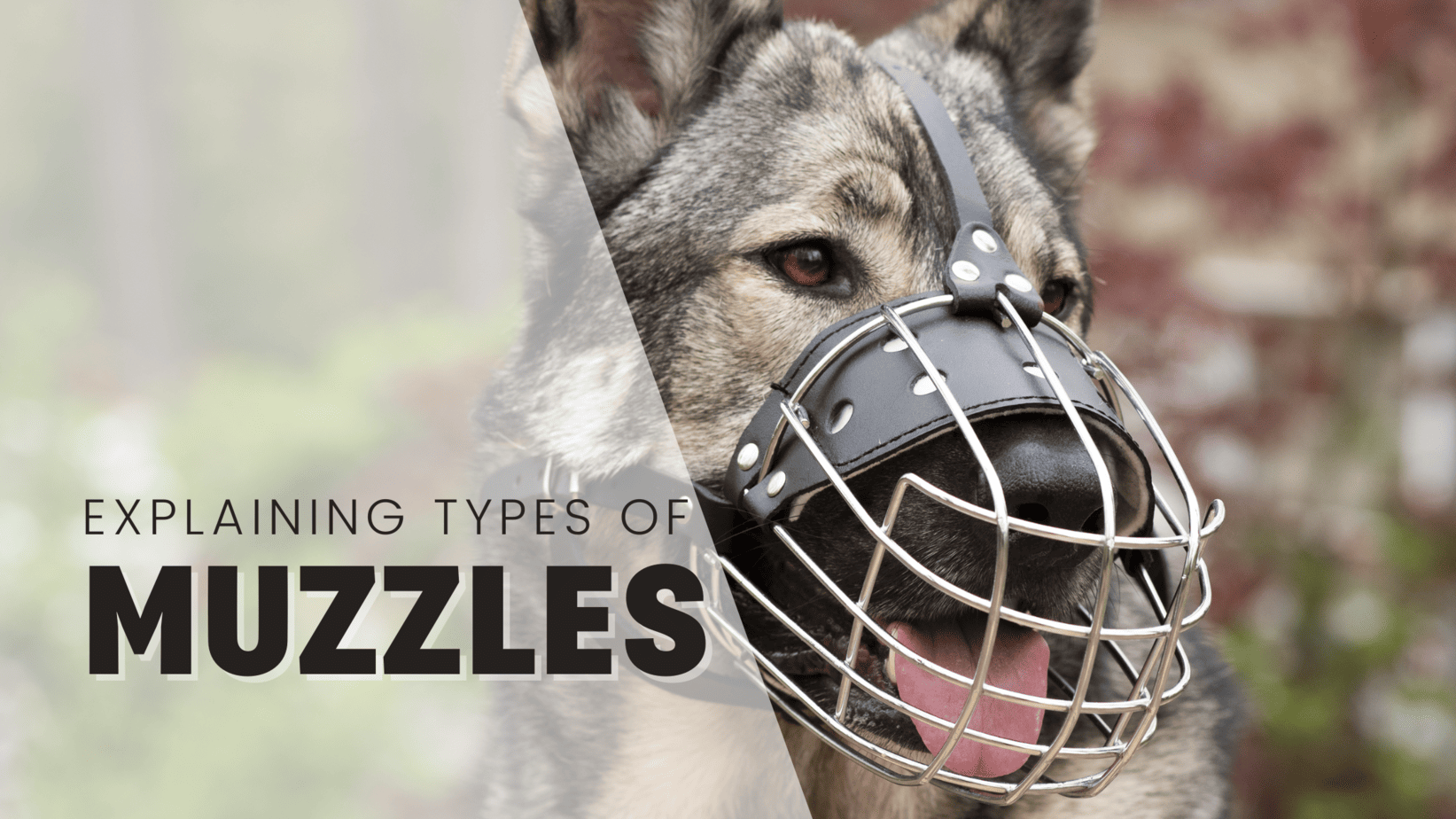
The basket muzzle, often referred to as a "rejillas" or grid muzzle, stands out as the most recommended and widely used type by veterinarians, trainers, and responsible owners. Its design prioritizes both safety and the dog's physiological needs.
- Allows Natural Canine Behaviors: The defining characteristic of a basket muzzle is its spacious design, which encases the snout while still allowing the dog to fully open their mouth inside the basket. This means your dog can pant freely to regulate body temperature, drink water, and even accept small treats during training.
- Variety of Materials: Basket muzzles are available in various materials, including durable plastic, lightweight wire, and soft rubber. Each material offers different benefits in terms of weight, flexibility, and longevity. Rubber basket muzzles, for instance, are often preferred for their flexibility and comfort, reducing the risk of abrasions.
- Crucial for Proper Sizing: Just like any accessory, the fit of a basket muzzle is paramount. A muzzle that is too small will restrict movement and cause discomfort, while one that is too large could easily be pawed off or allow the dog to bite through the gaps. Proper measurement of snout length and circumference is essential.
Specialized Basket Muzzles for Brachycephalic Breeds
A specific innovation within the basket muzzle category caters to brachycephalic dogs – those breeds with characteristically short, flattened snouts. Breeds like Boxers, French Bulldogs, Boston Terriers, Pugs, and Shih Tzus have unique facial anatomies that make conventional basket muzzles unsuitable. A standard basket muzzle would be too long, allowing the dog to easily dislodge it. For these breeds, specialized muzzles are designed with a shorter snout portion, ensuring a secure and comfortable fit while still allowing them to pant and drink. For more detailed information, explore our guide on Brachycephalic Dogs & Muzzles: Essential Guide for Short Snouts.
Head Halters (Bozal de Lazo / Anti-Tirones)
While often grouped with muzzles, a head halter (sometimes called a 'lazo' or 'anti-tirones' in Spanish, referring to its anti-pulling function) serves a different primary purpose. It works by gently guiding the dog's head, giving the handler more control, especially for dogs that pull on the leash. While it can physically limit a dog's ability to open its mouth wide, its main function isn't bite prevention like a traditional muzzle. It's more of a training aid for leash manners and is typically not used where a strict bite deterrent is legally required.
Ensuring Comfort and Positive Association with Your Dog's Bozal
Introducing a bozal para perro should always be a gradual, positive experience. Forcing a muzzle onto an unprepared dog will create negative associations, leading to stress, anxiety, and resistance every time it's needed.
- Proper Fit is Non-Negotiable: Before starting any training, ensure you have the correct size and type of muzzle. It should allow your dog to pant freely and drink water. There should be enough room at the end of their nose (about half an inch to an inch) and it shouldn't rub against their eyes or constrict their jaw.
- Positive Reinforcement: Make the muzzle a source of good things. Start by simply showing the muzzle and immediately giving a high-value treat. Repeat this many times.
- Gradual Introduction:
- Hold the muzzle and let your dog sniff it, rewarding with a treat.
- Place a treat inside the muzzle, encouraging your dog to put their snout in to get it.
- Gradually increase the time your dog's snout is in the muzzle, always pairing it with treats.
- Once comfortable, gently fasten the straps for a second or two, then immediately remove and reward.
- Slowly extend the duration the muzzle is worn, always keeping sessions short, positive, and ending before your dog shows signs of discomfort.
- Everyday Activities: Once your dog is comfortable wearing the muzzle for short periods, try putting it on before a walk, a play session, or while offering a special chew toy. This helps them associate the muzzle with enjoyable activities, making it just another part of their routine.
- Consult a Professional: If you encounter significant resistance or anxiety, or if you're using a muzzle for behavioral reasons, consult with a certified professional dog trainer or veterinary behaviorist. They can provide tailored guidance and support.
When is a Bozal Para Perro Obligatory or Highly Recommended?
Beyond legal mandates, there are many situations where using a bozal para perro is a sign of responsible pet ownership:
- Mandatory Legal Requirements: As mentioned, dogs classified as Potentially Dangerous Breeds often have a legal obligation to wear a muzzle in public. Always research local regulations.
- Public Transportation: Many public transport services require muzzles for all or certain dog breeds.
- Veterinary Visits & Grooming: For dogs with anxiety or a history of snapping in stressful situations, a muzzle ensures the safety of staff and your pet.
- Injury Prevention: If your dog has a wound they shouldn't lick or scratch, a muzzle can sometimes serve as a less restrictive alternative to an Elizabethan collar, though this should be discussed with your vet.
- Reactivity or Aggression Management: When working with a professional trainer on a dog's reactivity towards other dogs or people, a muzzle provides a crucial safety net during controlled exposure.
- Prevention of Pica/Scavenging: For dogs prone to eating non-food items or potentially toxic substances from the ground, a basket muzzle allows them to breathe and drink while preventing ingestion.
- New Environments or Introductions: When introducing a new dog to an existing pet, or entering an unfamiliar environment with unpredictable elements, a muzzle can offer a temporary safety measure.
Conclusion
The bozal para perro is an invaluable accessory when chosen correctly and introduced positively. It’s not a symbol of a "bad dog" but rather a testament to a responsible owner who prioritizes safety, comfort, and compliance. By understanding the different types of muzzles, particularly the superior comfort and safety offered by basket muzzles, and committing to a positive training approach, you can ensure this tool serves its purpose effectively without causing undue stress to your beloved companion. Remember, a muzzle is a management tool; for underlying behavioral issues, always seek guidance from a qualified professional.